Solar Equipment
Installations &
Maintenance
Namibia has more sun than almost anywhere on earth. Learn to harness it. Master solar panel installation, system maintenance, and renewable energy technology — and earn a nationally recognised certificate for the green economy.
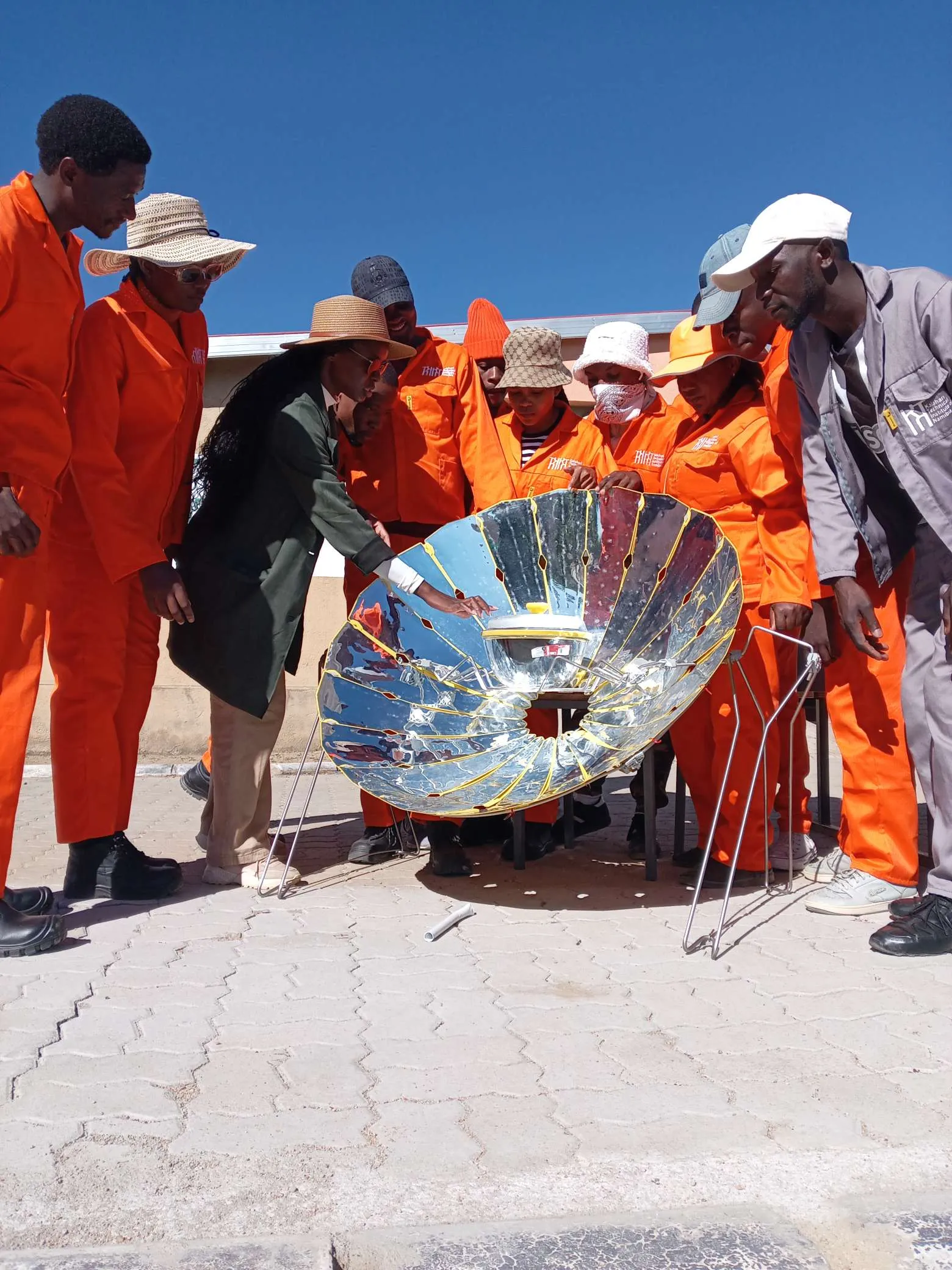
About This Programme
What is Solar Installations & Maintenance?
The National Certificate in Solar Equipment Installations & Maintenance at NQF Level 1–2 is a forward-looking qualification that prepares you to work in Namibia's rapidly expanding renewable energy sector. You will learn how photovoltaic systems work, how to safely install solar panels and associated components, and how to maintain and troubleshoot solar installations.
Namibia's abundant sunshine makes this one of the most relevant and future-proof skills in the country. This programme is registered with the Namibian Training Authority (NTA) — giving you a nationally recognised certificate respected across the energy sector, construction industry, and government electrification programmes.
Curriculum
What You'll Learn
The programme covers both theory and practical installation work across two NTA-registered qualifications. All unit standards below are compulsory.
NQF Level 1 (Q0920) builds solar fundamentals, safety, and basic installation over 40 credits. NQF Level 2 (Q0921) advances into full photovoltaic systems, solar water heating, and pump installation over 44 credits. Both levels include compulsory workplace-integrated learning (job attachment).
NQF Level 1 — 40 Credits (Q0920)
NQF Level 2 — 44 Credits (Q0921)
Learning Outcomes
What You'll Be Able to Do
Install solar home systems
Install and commission basic solar home systems (Level 1) up to 500 W systems and 800 W inverter installations (Level 2).
Install Solar Water Heaters and PV Pumps
Install single-collector solar water heaters and photovoltaic water pump systems.
Work safely with electricity
Apply safety rules and regulations in a solar energy installation environment at all times.
Read and draw technical diagrams
Draw, interpret and apply basic and intermediate technical drawings for solar installations.
Use measuring instruments
Correctly use basic and advanced measuring instruments and perform estimations and calculations.
Understand PV and solar water heating technology
Demonstrate knowledge of photovoltaic technology, solar water heating principles, and environmental considerations.
Admission
Entry Requirements
- Level 1 Entry:Basic communication skills in English and basic numeracy. No formal qualifications required — this is an entry-level programme open to all who can demonstrate these foundational skills.
- Level 2 Entry:The National Vocational Certificate in Solar Equipment Installation and Maintenance (Level 1), or an equivalent qualification as recognised by NTA.
- Workplace-Integrated Learning (WIL):Level 1 requires a minimum 3-month industry job attachment. Level 2 requires a minimum 6-month job attachment. Both are compulsory and must be facilitated by KTIN.
- Recognition of Prior Learning (RPL):Competencies for both levels may be assessed through RPL. Experienced workers in the solar or electrical industry can apply to have their existing skills recognised.
After You Graduate
Career Opportunities
Namibia's solar sector is growing fast. Graduates are positioned to enter the renewable energy industry or establish their own solar installation business serving homes, farms, and off-grid communities.
Solar Installer / Technician
Work for solar installation companies on residential and commercial projects.
O&M Technician
Maintain large-scale solar farms and renewable energy installations.
Self-Employed Solar Contractor
Start your own solar installation business serving off-grid homes and farms.
NamPower & Rural Electrification
Join national electrification programmes and government-funded off-grid solar projects reaching rural communities.
Solar Equipment Sales & Supply
Use your technical knowledge to advise customers and supply solar equipment through retail or wholesale channels.
Progress to Level 3
Your Level 2 certificate is the direct entry requirement for the NVC Solar Equipment Installation & Maintenance Level 3 — keep advancing.
Assessment
How You'll Be Assessed
Assessment combines written theory examinations, hands-on practical installation demonstrations, and continuous assessment throughout the programme. All assessments comply with the NTA national assessment framework for the TVET system up to and including NQF Level 5. Assessment includes performance and achievement assessment acquired through the compulsory Workplace-Integrated Learning (WIL) period — 3 months for Level 1 and 6 months for Level 2. Competencies may also be assessed through Recognition of Prior Learning (RPL).